
If you’ve ever been deep into Naruto or Bleach and suddenly found yourself watching characters play volleyball on a beach with zero relevance to anything that came before it, you’ve encountered filler. It’s one of the most complained-about things in all of anime, and also one of the most misunderstood. Here’s what’s actually going on.
What even is a filler episode?
The simplest definition is this: a filler episode is any episode that doesn’t come from the original source material and isn’t part of the main canon story. Interestingly, most anime aren’t original productions. They’re adaptations of manga, light novels, or visual novels written by someone else, and that source material is the blueprint the studio works from. When that blueprint runs out, studios usually have two choices. They can either pause the anime and wait for the author to write more, or keep the show running by producing their own original content in the meantime. Thus, that original content is filler.
It’s worth knowing that the term gets used loosely. Technically, any content not found in the source material qualifies, which means a Bleach action filler arc and a Naruto beach comedy episode are both filler despite feeling nothing alike. What connects them is that neither one actually happened in the manga, and when the main story resumes, neither one is ever mentioned again.
Why studios do it
The core reason is simple: popular anime air weekly, and manga chapters come out weekly too. The problem is that animating a chapter takes significantly more time and resources than writing one. A manga artist can produce a chapter in a week. Turning that same chapter into animation with voice acting, music, and movement takes a team of people several weeks minimum. The anime catches up to the manga faster than anyone wants it to, and stopping a weekly show cold is a commercial and logistical nightmare.
There’s also a financial side to it that rarely gets discussed. Weekly anime during the era of Dragon Ball, Naruto, and Bleach were massive commercial engines. Merchandise, licensing deals, and advertising revenue were all tied to keeping the show on air every single week without interruption. A hiatus, even a short one, could mess with the broadcast schedule, hurt audience momentum, and throw off merch and ad revenue. Because of that, long-running anime often leaned on filler or slower pacing just to keep the show airing week after week instead of going off the air entirely.
The infamous examples

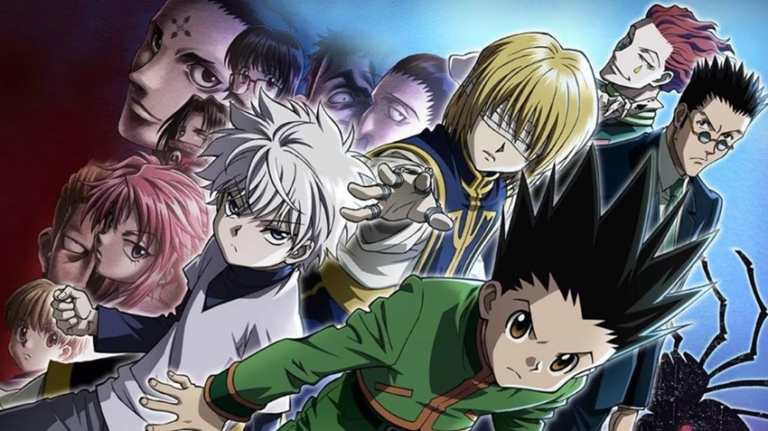
Naruto is the most referenced case for a reason. Out of 720 episodes across the original series and Shippuden, roughly 41% is filler. Studio Pierrot was adapting Masashi Kishimoto’s manga in real time while it was still being written, and the gap between what the anime needed and what the manga had available kept widening. The result was entire arcs, sometimes dozens of episodes long, that went nowhere and are largely forgotten today.
Bleach followed the same pattern with Studio Pierrot at the helm again, inserting full original arcs between canon story beats. In fact, the series has even more filler episodes than Naruto, with about 45% of its episodes considered non-canon. One Piece is the longest-running example still active, though Toei Animation has increasingly opted for slower pacing of canon material rather than outright filler.
Then there’s the Endless Eight from The Melancholy of Haruhi Suzumiya, which is a different beast entirely. Eight nearly identical episodes covering the same two weeks of a time loop, produced by Kyoto Animation, clearly as an artistic statement rather than a budget problem. Fans were furious. Whether it was brilliant or insufferable depends entirely on who you ask.
Are all fillers actually bad?
Not even close. The reputation comes from the worst examples, but filler done well can genuinely add to a series. Some of the most beloved moments in Naruto are technically filler, including the Kakashi Anbu arc, which explored a character the main story never had time to dig into properly. Fullmetal Alchemist’s 2003 adaptation diverged from the manga entirely once it ran out of chapters, producing a completely original second half and a film conclusion that some fans still prefer to Brotherhood.
Filler also gives secondary characters room to breathe. Main storylines in long-running shonen are usually too plot-driven to slow down for character work outside the main cast. Filler episodes, whatever their reputation, sometimes do exactly that.
Why modern anime uses less filler
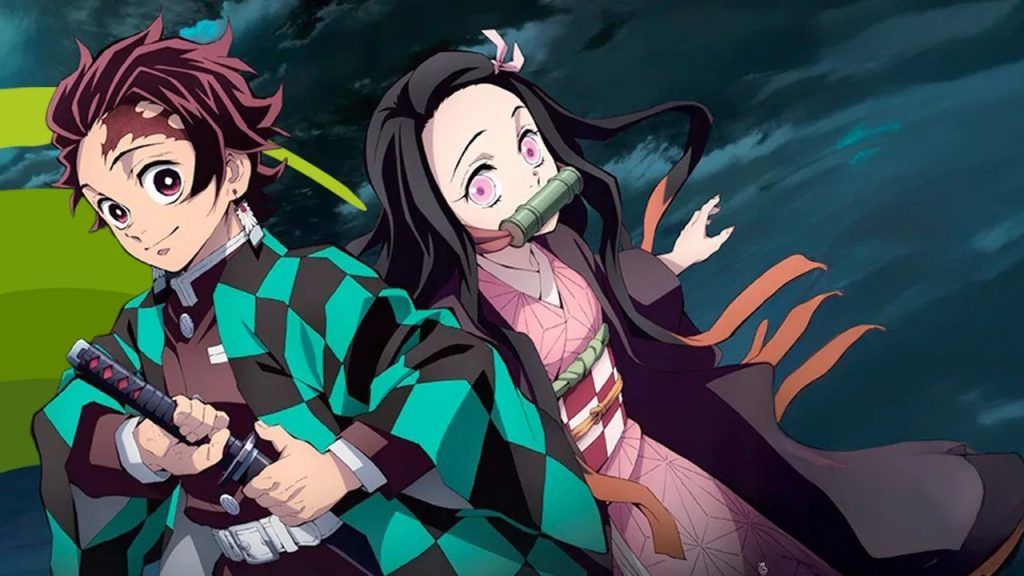
The seasonal model changed everything. Rather than producing 50 episodes a year on a weekly broadcast schedule, most anime now air in chunks of 12 or 13 episodes per season, pausing between cours to let the source material stay ahead. That structure greatly reduces the pressure that created filler in the first place. Jujutsu Kaisen has zero filler episodes. Attack on Titan has zero. Demon Slayer has zero. The model they operate under simply doesn’t require it.
Streaming also shifted audience expectations. Viewers who binge shows have far less patience for placeholder content than audiences who waited a week between episodes, and studios know it.
The bottom line
Filler episodes exist because the economics of weekly anime made them necessary for a long time, and because stopping a popular show mid-run was simply not an option studios were willing to take. The seasonal model has made them largely obsolete, which is why newer fans sometimes don’t even know what filler is until they try to watch something from the early 2000s and hit episode 97 of 220 consecutive non-canon episodes. It’s a product of a specific era in anime history, and understanding that context makes it a lot easier to appreciate why it happened without pretending it was ever a good viewing experience.