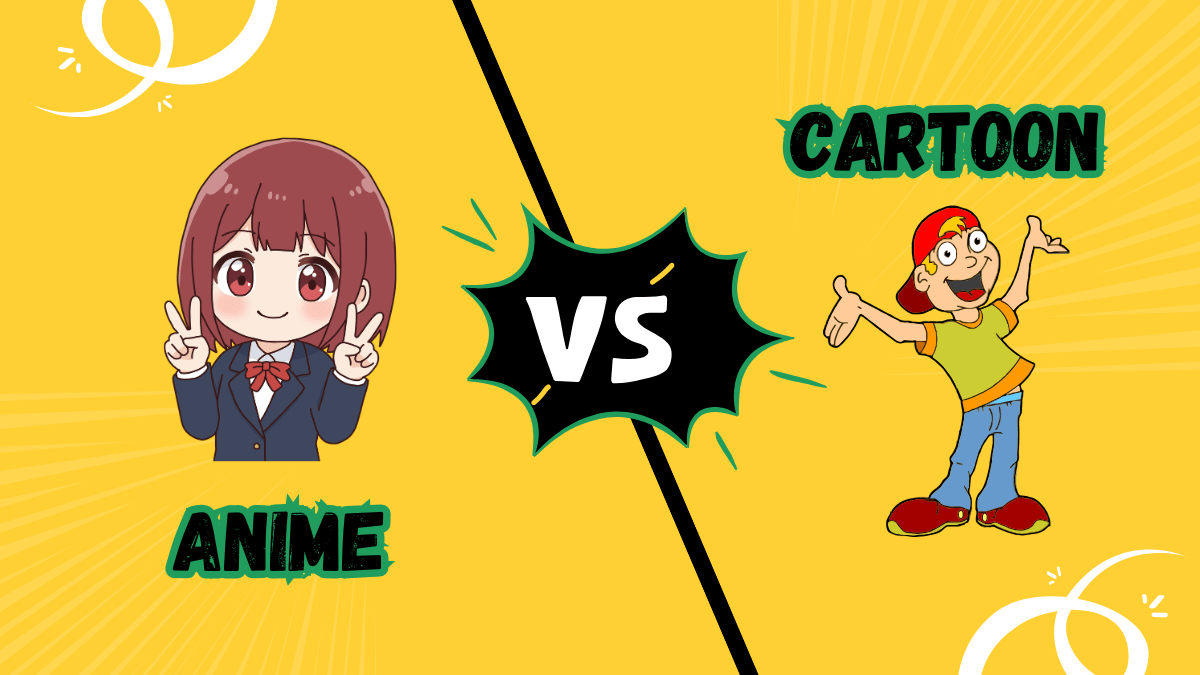
Call anime a cartoon in front of the wrong person, and you’ll hear about it for the next twenty minutes. But the question itself is actually worth taking seriously, because the answer is genuinely more complicated than either side of that argument usually admits. Here’s a proper breakdown.
What does “anime” actually mean?
Starting with the word itself, because this is where most people get tripped up. In Japan, “anime” is simply a shortened form of “animation” (アニメーション). That’s it. Japanese people generally use it to describe animation in a broad sense, without it being strictly limited to domestic or foreign origin. The word itself doesn’t carry a special “exported Japanese style” meaning inside Japan, the way it does in the West.
The key difference comes later. The term “anime” was borrowed from Japanese into English during the late 20th century, where it became specifically associated with Japanese-produced animation. So while in Japan it refers to animation as a medium in general, in Western usage it became a label for animation from Japan or strongly Japanese-influenced works.
So technically, in its original Japanese context, anime is just a form of animation, which places it in the same broad category as cartoons. The distinction is mostly about cultural usage rather than the medium itself.
So, is it technically a cartoon?
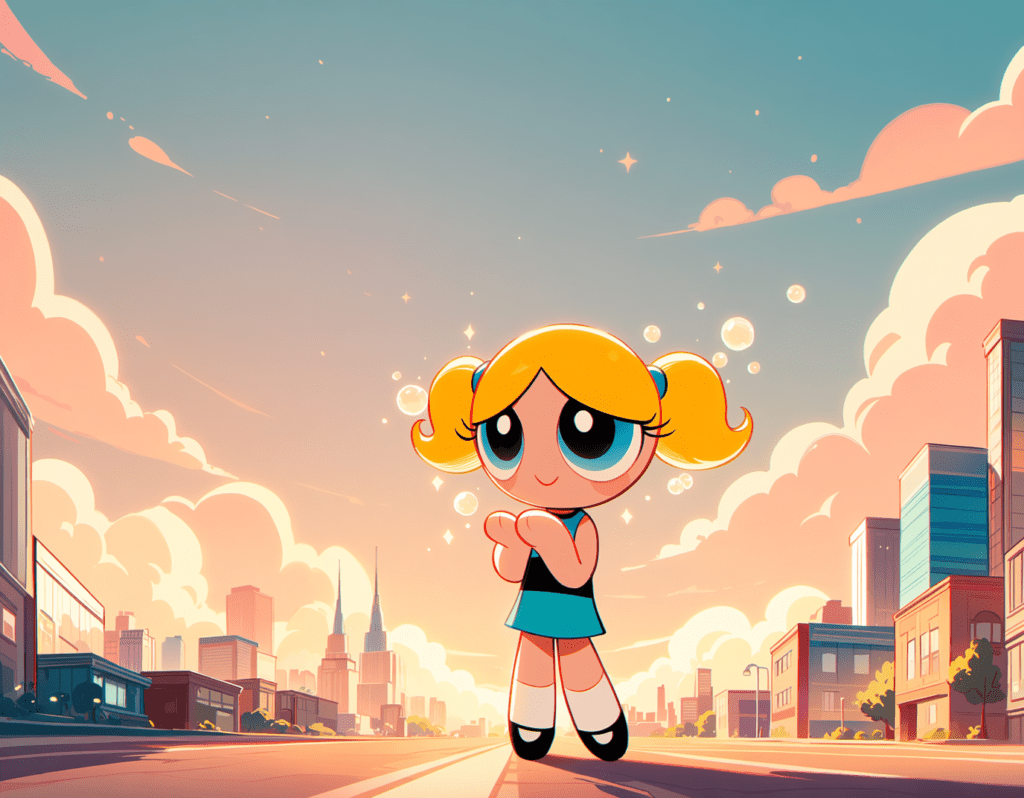
Technically, yes. Both cartoons and anime are animated. Both use storyboarding, voice acting, character design, and frame-by-frame production. In English usage, anime is commonly defined as “a style of Japanese animation,” which makes it a subcategory of animation rather than a completely separate medium. The argument that anime isn’t a cartoon at all is more about cultural distinction and interpretation than a strict technical definition.
That said, calling anime just a cartoon is a bit like calling a graphic novel just a comic book. Accurate in a technical sense, but it flattens a lot of meaningful distinctions that actually matter when you’re talking about what the medium does and who it’s for.
What actually makes anime different?
In the West, animation became closely associated with children mainly due to television economics and production models, not censorship codes. The Hays Code regulated live-action film, not animation, and the Comics Code Authority applied to comics, not animation. The shift toward kids’ content came largely from cheap TV production formats like Hanna-Barbera shows and the rise of syndication, scheduling, and merchandising.
Japan did not have a single centralized censorship system like Hollywood, but anime is still subject to fragmented regulation through broadcast standards, publisher oversight, and obscenity laws. The difference is structural rather than the absence of rules.
Western cartoons historically leaned toward episodic storytelling with resets because of syndication-friendly TV models. However, this is not universal. Modern Western animation often uses serialization, such as Avatar: The Last Airbender or Arcane.
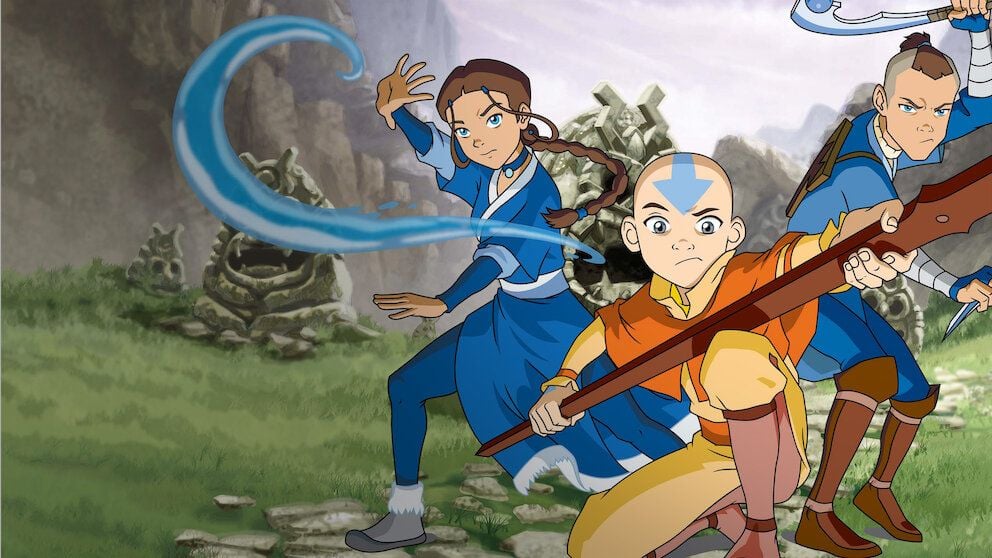
Anime, influenced heavily by manga serialization, tends to favor long-form continuity where characters and plots evolve over time. Still, anime is not inherently serialized, and many shows are episodic.
The visual identity of anime was strongly shaped in the TV era by Osamu Tezuka’s Astro Boy, which popularized limited animation techniques to reduce production costs, such as fewer frames and reused assets. However, these methods were not exclusive to Japan or invented by Tezuka alone. Similar techniques existed earlier in studios like UPA in the United States and in broader TV animation economics.
What became “anime style” was the result of production constraints turning into a consistent visual language, including static framing, expressive close-ups, and selective motion rather than full cinematic animation.
The grey area: Avatar, RWBY, and the shows that break the rules
Here’s where the debate gets genuinely messy. Avatar: The Last Airbender looks like anime, feels like anime, uses serialised anime-style storytelling, and was heavily influenced by shows like Cowboy Bebop and Princess Mononoke. Its creators have said as much in interviews. But it was produced by Nickelodeon Animation Studios in the United States, which, by the strictest definition of the word, means it is not anime. Thus, the series is often categorised as “anime-influenced animation,” which is probably the most honest label available.
Now, the same applies to RWBY, Teen Titans, and Voltron: Legendary Defender. These shows absorbed anime’s DNA without being produced in Japan, and whether that makes them anime or not depends entirely on which definition you’re using.
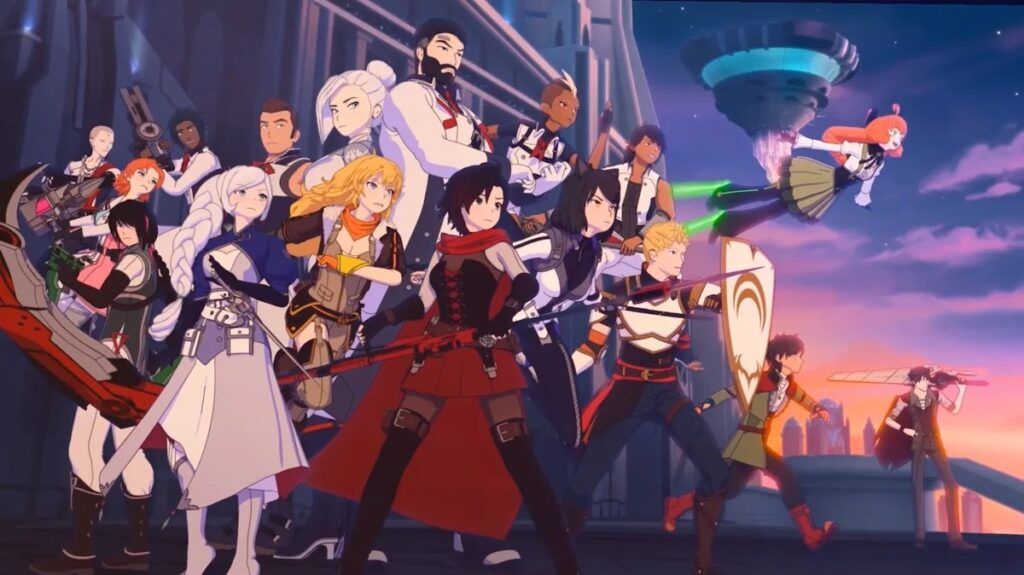
The creator of RWBY, the late Monty Oum, expressed the view that calling anime exclusively a Japanese art form is a narrow way of thinking and that it can be better understood as an art form defined by style and creativity rather than nationality. Not everyone agrees with that perspective, and the debate is still very much alive.
So, what’s the actual answer?
Anime is a specific style of animation that originated in Japan, developed its own distinct visual language, storytelling traditions, and cultural identity, and now operates as its own recognised medium with its own industry and global audience. Calling it a cartoon isn’t wrong in the strictest technical sense, but it misses everything that actually makes it what it is.
The better way to think about it: all anime is animation, but not all animation is anime. The same way all whisky is alcohol, but you wouldn’t hand someone a Johnnie Walker and call it beer. Accurate at the molecular level, completely useless as a description.